Walk down any grocery aisle, and you’ll face a dizzying array of milk options. Traditional dairy milk sits alongside oat, almond, soy, and rice alternatives. Each carton makes bold health claims, leaving many shoppers wondering which choice truly supports their well-being.
Both cow’s milk and plant-based alternatives offer distinct nutritional profiles, but which is healthier? Follow along as we break down the main factors to consider when making your dietary choices.
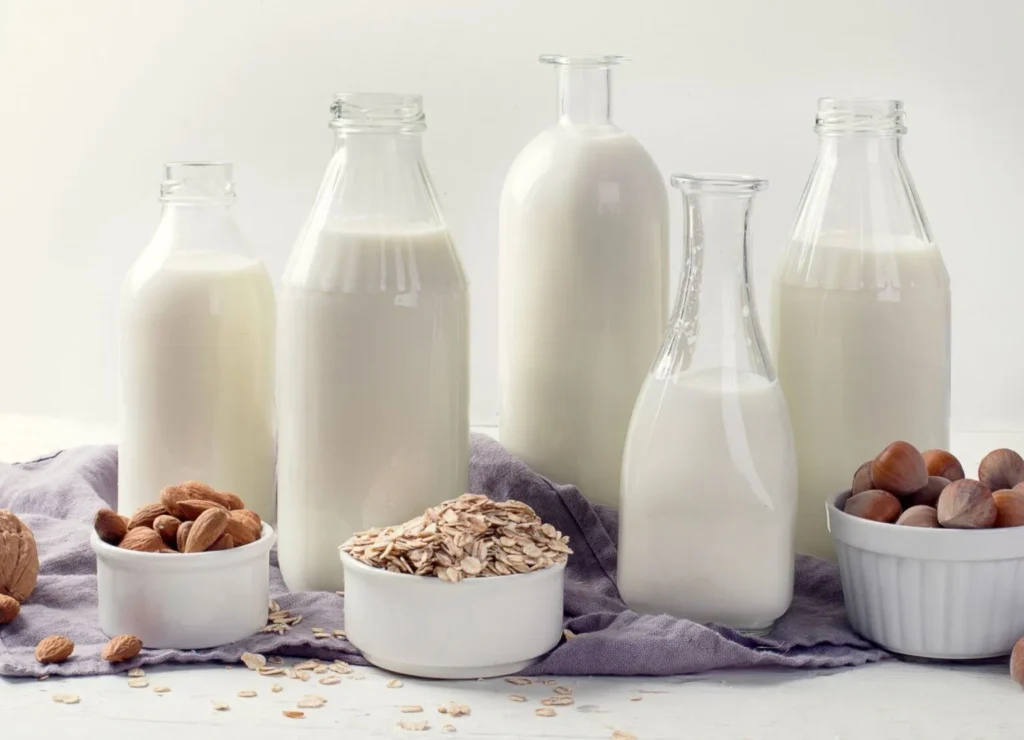
Nutritional Breakdown of Cow’s Milk
Cow’s milk provides a complete protein source, which means it contains all nine essential amino acids your body cannot produce on its own. One cup of whole milk delivers approximately 8 grams of protein, 276 milligrams of calcium, and 322 milligrams of potassium.
Additionally, most commercial dairy milk undergoes fortification with vitamin D, addressing a nutrient deficiency that most people have. Plus, the natural lactose content provides readily available energy, though this same sugar causes digestive issues for lactose-intolerant individuals.
However, the quality of cow’s milk varies based on farming practices. Proper sanitation protocols, including the regular cleaning of milking machines, are necessary to maintain the nutritional integrity and safety of the final product.
The Case for Popular Plant-Based Alternatives
What about plant-based milks? Here’s a quick look at today’s most popular dairy-free options.
Soy Milk
Soy milk closely matches cow’s milk’s protein content, providing 6–8 grams per cup. This legume-based alternative contains isoflavones, compounds that may support heart health. Moreover, unsweetened versions typically contain fewer calories than whole dairy milk.
Almond Milk
Almond milk contains significantly fewer calories and protein compared to dairy milk. One cup provides only 1 gram of protein but offers vitamin E, an antioxidant that supports immune function. The low calorie count appeals to those managing weight.
Oat Milk
Oat milk contains beta-glucan, a soluble fiber that may help lower cholesterol levels. This option provides moderate protein levels (around 3 grams per cup) and creates a creamy texture similar to that of dairy milk.
Comparing Health Benefits
So, which is healthier: cow or plant-based milk? Here’s what to consider.
Digestive Considerations
Plant-based milks don’t contain lactose, making them suitable for the 68 percent of adults worldwide who experience lactose intolerance.
Nutrient Density
Cow’s milk naturally contains more protein and calcium than most plant alternatives. However, almost all plant-based options nowadays undergo fortification to match or exceed dairy’s vitamin and mineral content.
Caloric Impact
Unsweetened plant milks generally contain fewer calories than whole dairy milk. This difference may benefit individuals pursuing weight management goals, though the reduced calorie content sometimes comes with lower protein levels.
Making Your Choice
If you’re seeking maximum protein, go with dairy or soy milk. If you’re managing calories, you might prefer unsweetened almond or soy varieties (or cow’s milk with a low-fat content).
And if you have specific health conditions, you should consult your healthcare provider.