Intermittent fasting focuses on when you eat and what you eat. But does this mean all foods and drinks are off-limits during fasting periods?
The practice of intermittent fasting, when done properly, should teach you what foods are best to have at the start and end of your fast. This typically includes focusing on healthy fats and proteins, and minimizing sugars and refined carbs at the beginning and end of the eating period.
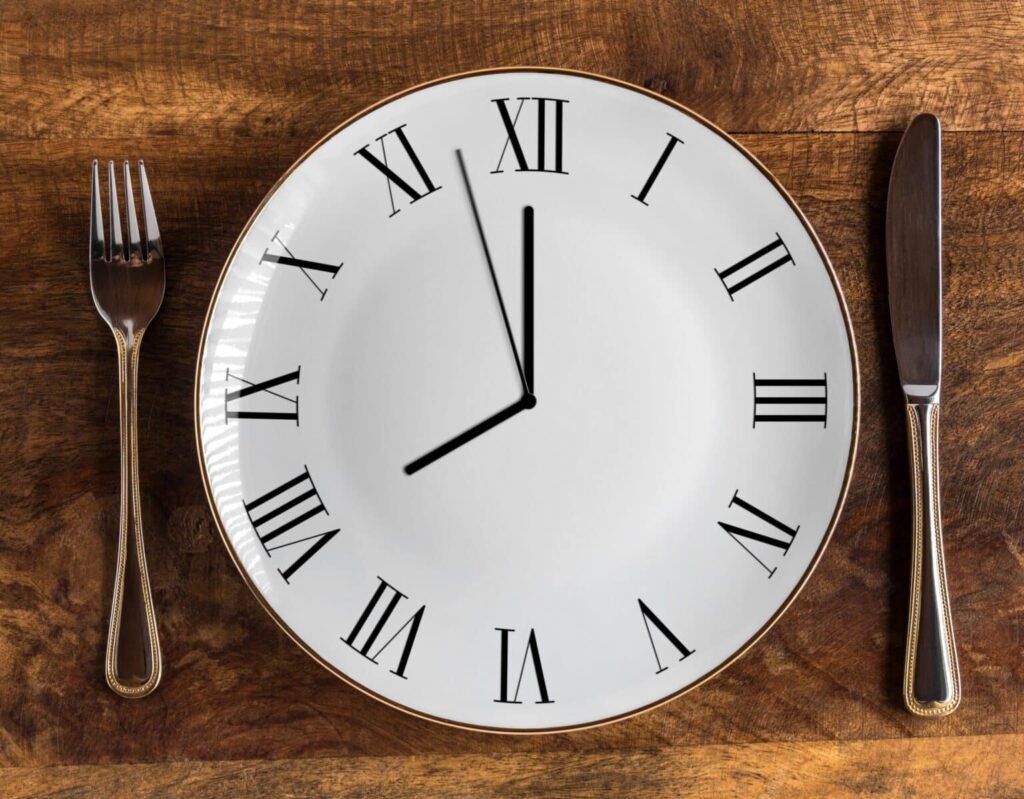
This will also help your efforts toward fat loss, if this is why you’re fasting.
In this article, we’ll explore what you can indulge in while maintaining the integrity of your fast. There are foods and beverages to eat around and, yes, during your fasting period to help you make the most of it.
Can You Eat While Fasting?
This might sound like a silly question, but studies prove that breaking a fast comes down to whether something impacts your blood glucose.
Abstaining from calorie consumption during fasting periods is generally the norm.
For most people, the goal is to allow their body to enter a state of ketosis, which is a metabolic process where the body burns fat for fuel in the absence of carbohydrates. For longer fasting periods—like alternate-day fasts—the goal is autophagy, which is how your cells clean out and recycle old or damaged parts so they can stay healthy and work properly.
For example, one study tested the impact of a “fasting snack” which contained:
- Significantly low carbohydrates
- Low protein
- High fat content
- Caloric total of less than 200
It found that the group fasting for a longer period of time continued to drop their blood glucose level despite eating during the fast.
Dr. Mindy Pelz, after reading this study, suggested that foods such as bone broth and a small serving of single-ingredient nut butter will not bring your body out of a fasted state.
What Breaks a Fast?
Consuming food or drinks with caloric content can disrupt the fasting state and take your body out of these processes.
Even seemingly harmless snacks or drinks can trigger metabolic changes that take you out of fasting mode. This is why many intermittent fasters avoid caloric intake during these windows.
This includes zero-calorie, zero-sugar drinks which have ingredients that still trigger an insulin response, such as:
- Aspartame
- Saccharine
- Acesulfame potassium (Ace-K)
- Sucralose
That said, the question of what qualifies as ‘breaking a fast’ has been tested in studies. This study found that a snack containing little to no carbs and protein, while high in healthy fats and below 200 calories at a time, can maintain your fasted state of ketosis while keeping you satiated and able to continue a longer fasting period.
Some may find that minimal calorie intake through beverages like bone broth or bulletproof coffee does not significantly impact their fasting benefits, but others may want to stray from all caloric intake.
What to Eat During Feeding vs Fasting Periods
It’s also essential to differentiate between the fasting and feeding periods, where caloric intake resumes, focusing on nutrient-rich, balanced meals.
The emphasis here is on replenishing your body with all the essential nutrients it needs after a phase of fasting, ensuring a balanced intake of proteins, carbohydrates, and fats to promote overall well-being.
Plus, ending your eating period with the right foods will make your fasting period much easier.
How to Break a Fast
When breaking your fast, consider starting with healthy fats and proteins.
These types of foods provide a steady source of energy without causing a rapid increase in blood sugar levels.
- Avocados
- Nuts
- Eggs
- Meats
- Greek yogurt (with no sugar)
Then, you can begin to introduce other, more complex foods such as:
- Steamed vegetables
- Fruits
- Fermented foods like kimchi or kefir
- Whole grains such as quinoa or brown rice
How to End a Fast
As you prepare to switch to your fasting period again, it’s beneficial to include similar nutrient-rich options.
Consuming healthy fats and proteins at the end of your eating window can help keep you fuller for longer, potentially reducing the urge to snack during fasting hours.
Remember, the order in which you consume these macronutrients is significant, playing a crucial role in how your body responds, promoting lasting energy, and avoiding sudden spikes in blood sugar.
Foods That Won’t Break Your Fast
While the central premise of fasting is to refrain from caloric intake, certain foods can technically be consumed without disrupting the fast’s metabolic benefits. Though not entirely calorie-free, some foods have no impact on insulin.
Here’s a breakdown of some options that are thought to not break your fast:
- Bone Broth: Plain bone broth is renowned for containing vital minerals and electrolytes with minimal calories, providing sustenance without impacting insulin response.
- Nut Butters: Nuts ground into butter, without any added sugar or other ingredients, makes a fine fasted snack.
- Half Avocado: Full of healthy fats, this is a satiating snack for people wanting to maintain a fasted state.
- Apple Cider Vinegar: With its negligible calories, it aids digestion, stabilizes blood sugar levels, and may help control appetite.
Remember, while these foods might barely tip the caloric scale, moderation is key. Consuming small amounts sparingly ensures you maintain the true spirit of fasting while also allowing some comfort for those occasional cravings.
What to Drink: Hydration During Your Fast
During intermittent fasting, hydrating properly is essential for maintaining your energy levels and quelling hunger pangs. While you might not be eating during certain periods, you should still be drinking lots of water! Aim to drink at least eight glasses of water a day, as staying hydrated helps your body function optimally and can even aid in feeling full.
In addition to water, there are a few other zero-calorie beverages that can be consumed during your fasting periods.
Sparkling Water or Seltzer
These can provide a fizzy alternative to plain water that quells hunger through carbonation.
Remember, it’s especially important to choose drinks without added ingredients, as these can inadvertently cut into your fasting success. This includes flavored waters with “natural flavors” and especially zero-calorie sodas.
Infused Water
Looking for something a bit different? Infused water is a flavorful way to spice up your hydration routine.
You can add slices of cucumber or leaves of mint to your water for a refreshing twist, all while continuing to fast effectively. While these additions offer a subtle taste, they don’t carry the risk of breaking a fast when used sparingly.
Be mindful not to use fruit slices as they contain sugar that will spike insulin.
Tea (Hot or Iced)
Enjoying a cup of plain tea can be a comforting ritual during a fast. It’s naturally free from calories when brewed without any added sweeteners or flavorings. Whether you prefer black, green, or herbal varieties, plain tea can help soothe those hunger pangs. Savor the warmth and subtle flavors while hydrating yourself along the way. Just make sure to skip any additions like honey or lemon to keep your fast intact.
Black Coffee
Since black coffee contains no added sugars or calories, it’s a fasting-friendly choice. The caffeine might give you a slight energy boost and help you feel more alert throughout the day.
Additionally, coffee can act as an appetite suppressant, which may assist in curbing hunger pangs as you adapt to lower food intake.
Remember, proper hydration not only supports your fasting efforts but also boosts your overall well-being. Keep a bottle handy, and sip throughout the day to ensure you’re getting enough fluids.
Supplements and Fasting
When incorporating supplements into your intermittent fasting routine, it’s important to know which ones won’t disrupt your fast. Essentially, the key is to focus on supplements that do not contain calories or ingredients that could potentially spike your insulin levels.
If they will, be sure to take them during an eating window.
Electrolytes: Maintaining your body’s electrolyte balance is crucial, especially when fasting, as it helps prevent dehydration and maintains nerve and muscle function. Sodium, potassium, and magnesium are common if taken without added sugars or carbohydrate fillers.
Multivitamins: While many multivitamins are safe, it’s best to opt for those without added sugars or calories. Consider taking them during your eating window to minimize chances of nausea or any stomach discomfort.
Fish Oil: Although beneficial for heart health and inflammation, fish oil contains calories, which some purists argue could break a fast. If minimizing calorie intake is crucial, take these during non-fasting periods.
Probiotics: Generally, they are safe to consume during your fasting period. However, like multivitamins, you might find it more comfortable to take them with food during your eating window.
Always consider your personal goals with intermittent fasting and experiment with what your body tolerates best, consulting a healthcare professional if in doubt.