
A common postpartum myth says new mothers must avoid all cold foods. Because of this belief, many families treat fruit as off-limits during the postpartum period.
The truth is that eating fruit in moderation is beneficial for birthing parents. Fruits deliver essential vitamins, support physical recovery, and help prevent postpartum constipation. The key is simply picking the right fruits and enjoying them appropriately.
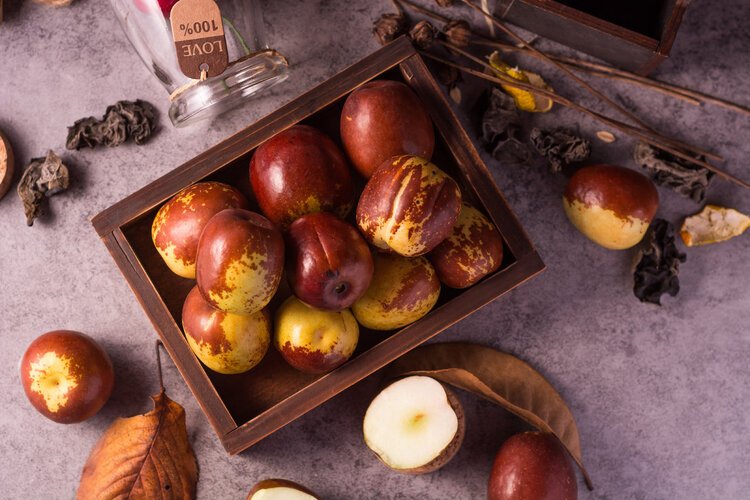
1. Jujubes
Red dates are packed with vitamin C and natural glucose. They are widely recognized for supporting blood replenishment and boosting energy. This makes them a great choice for new moms who feel weak or lost a significant amount of blood during labor.
Keep in mind: red dates are high in natural sugar. Moms with gestational diabetes should talk to their doctor before eating them regularly.
2. Bananas
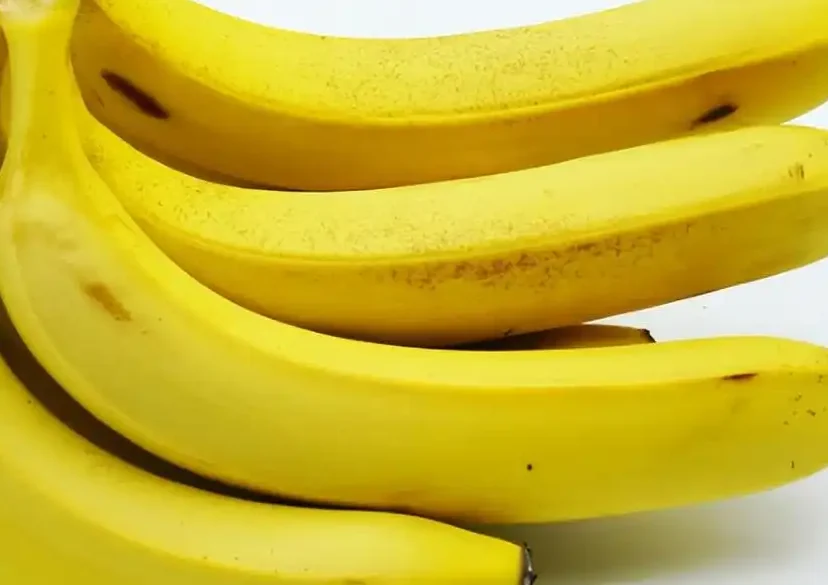
Postpartum constipation is extremely common. Many new mothers hold back during bowel movements to avoid straining sore pelvic tissues, while heavy rich meals can slow digestion. Bananas support gut motility and help move stool through the digestive tract. They work well for both preventing and easing postpartum constipation.
Tip: Choose ripe bananas. Unripe green bananas can have the opposite effect and may worsen constipation.
3. Apples
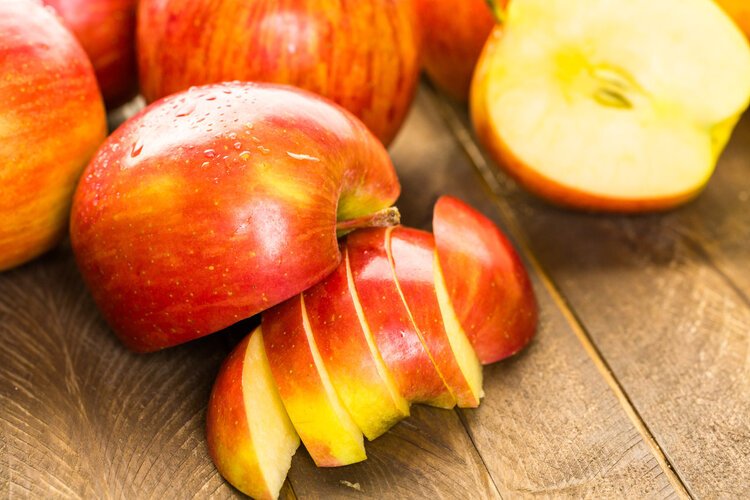
Apples have a gentle, neutral effect on the body. They are rich in vitamins and dietary fiber. Fiber helps clean the gut and relieve constipation, while the nutrients in apples support overall recovery. For these reasons, apples are a reliable, safe fruit option for most postpartum women.
4. Oranges
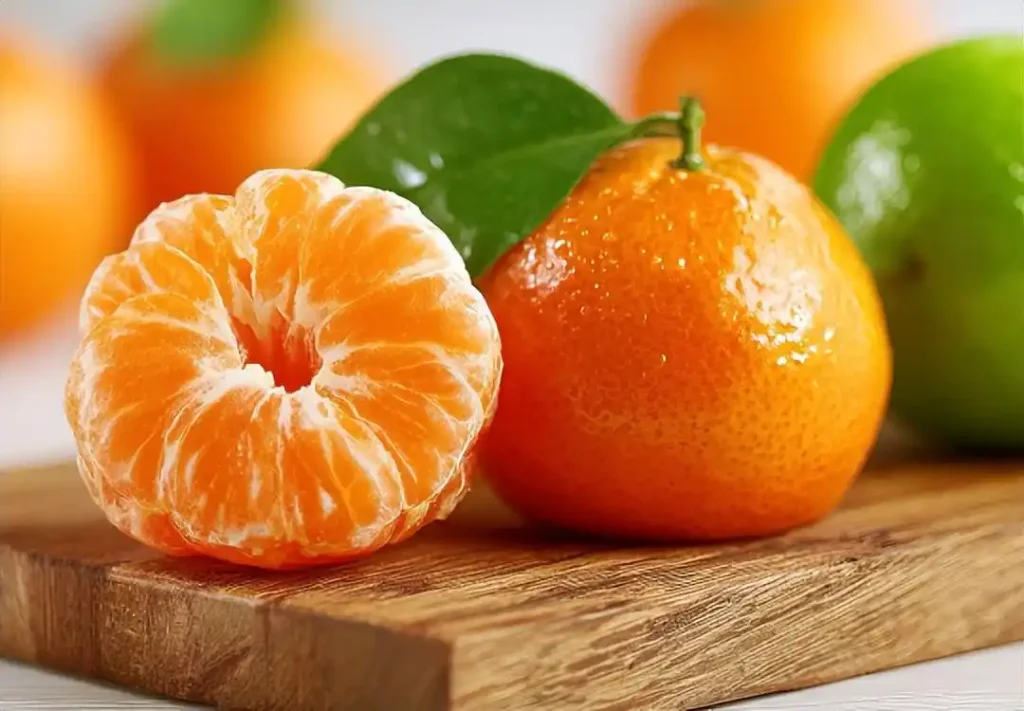
Oranges provide high levels of vitamin C and calcium. Vitamin C strengthens blood vessel walls and improves their elasticity, which helps reduce bleeding risk. After childbirth, the uterine lining has a large healing wound and bleeding is normal. Moderate orange intake may support tissue recovery.
Note: If you have sensitive stomach or acid reflux, eat oranges in small portions, as their acidity can irritate the digestive system.
Important Reminders for Eating Fruit Postpartum
- You do not need to overheat fruit until cooked. Room-temperature fruit is fine for most new moms. Very cold fruit may trigger stomach discomfort for some people, so listen to your body.
- Eat fruit in moderation. Fruit cannot replace balanced meals, protein, and water that you need for recovery.
- If you have any underlying conditions such as diabetes, food allergies, or ongoing digestive issues, consult your healthcare provider before making big changes to your diet.
Final Thoughts
Fruit is not a forbidden food after delivery. When selected and eaten carefully, it is a simple way to add vitamins and fiber to your postpartum diet. The old rule banning all cold food is just a traditional myth, not medical advice.
FAQ
Is it true new moms cannot eat cold fruit after birth?
This is a traditional belief, not a universal medical rule. Room-temperature fruit is safe. If cold fruit causes stomach cramps, simply let it warm up before eating.
Which fruit is best for postpartum constipation?
Ripe bananas and apples are great options thanks to their fiber content. Stay hydrated alongside fiber intake for best results.
Can eating oranges stop postpartum bleeding?
Oranges contain vitamin C that supports blood vessel health, but they cannot stop heavy bleeding. Contact your OB-GYN right away if you have heavy or persistent postpartum bleeding.