
After bringing their little one home, many new parents find themselves glued to search engines, trying to work through every small parenting puzzle. Even something as basic as bathing a newborn can feel surprisingly overwhelming. It’s totally normal to feel nervous when handling such a tiny baby. With a few practical safety habits in place, bath time can go much more smoothly for both of you.
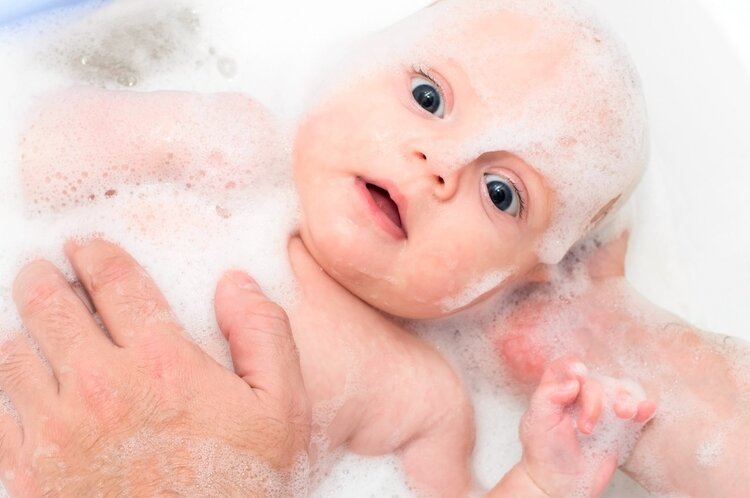
Get Everything Ready Before You Start
Many caregivers learn the hard way: scrambling for supplies mid‑bath can leave your baby exposed to cold air. Lay out towels, clean diapers, fresh clothes and cotton pads within easy reach before you undress your little one.
Try not to bathe your baby right after feeding. A full stomach may trigger spit‑up and discomfort. Waiting roughly 30 minutes after a feed often works better. Also take a quick moment to trim and file your nails; sharp edges could scratch your baby’s ultra‑soft skin as you hold and wash them.
Room and Water Temperature Matter a Lot
A newborn’s skin is very thin and sensitive. Water that feels only slightly warm to adults can still bring on redness or mild skin irritation. Aim to keep the bathroom between 26‑28°C, while bath water sits around 36‑40°C.
If you don’t own a bath thermometer, you can test the water with the soft skin on the inside of your elbow. It should feel pleasantly lukewarm, never hot. Always mix the water well to avoid hidden hot spots before lowering your baby in.
Protect Umbilical Area, Eyes and Ears
Take extra care around the umbilical stump, eyes and ears during washing. Some caregivers use a waterproof belly cover before bathing to help keep the stump dry while it heals. Keep in mind sponge baths are widely recommended until the cord falls off for many babies Children’s….
If soap or bath water gets into your baby’s eyes, rinse gently with clean lukewarm water. When water enters the ear, wipe only the outer ear with soft cotton or towel. Never push cotton swabs deep inside the ear canal — this could cause injury or push moisture further in.
Give Extra Care to Skin Folds
Moisture and sweat easily collect inside baby’s skin creases. The neck, armpits, and groin areas need gentle cleaning each bath. Trapped sweat and dampness may lead to irritation when left untouched.
Once bath time finishes, do not just give your baby a quick rub‑down. Pat every fold completely dry with a soft towel. Lingering dampness inside these creases can cause sore, red skin over time.
Keep Baths Short and Gentle
It’s easy to lose track of time while playing with your baby in the tub. Try to keep each bath under 10 minutes to prevent skin from drying out.
Also remember that newborns do not require daily full baths. Two to three baths per week can be sufficient for most infants, as frequent washing may strip away their natural protective skin oils NHS. Of course you can do quick spot cleans around diaper and feeding messes on other days.
When To Talk To Your Pediatrician
Reach out to your doctor if you notice persistent redness, foul discharge around the belly button, or worsening skin rashes after bathing. Every baby’s skin reacts differently, so do not hesitate to ask for professional guidance when something feels off.
FAQ
Do I need to bathe my newborn every single day?
Most healthy newborns only need full baths 2‑3 times each week. Spot cleaning for messy areas works well between baths.
How can I tell bath water is not too hot without a thermometer?
Use the inside of your elbow to test water. It should feel comfortably warm, not hot. Avoid testing with your palm since palm skin is less sensitive.
Is it safe to submerge my baby before the umbilical cord stump falls off?
Many medical sources suggest sponge baths until the stump dries and falls off to lower infection risk. Follow advice from your pediatric provider.
Citation Sources (add hyperlinks on live article):
- AAP (HealthyChildren.org): Newborn bathing and skin care guidance
- NHS UK: Safe bathing for newborn babies NHS
- Children’s Hospital of Philadelphia: Newborn skin care recommendations Children’s…