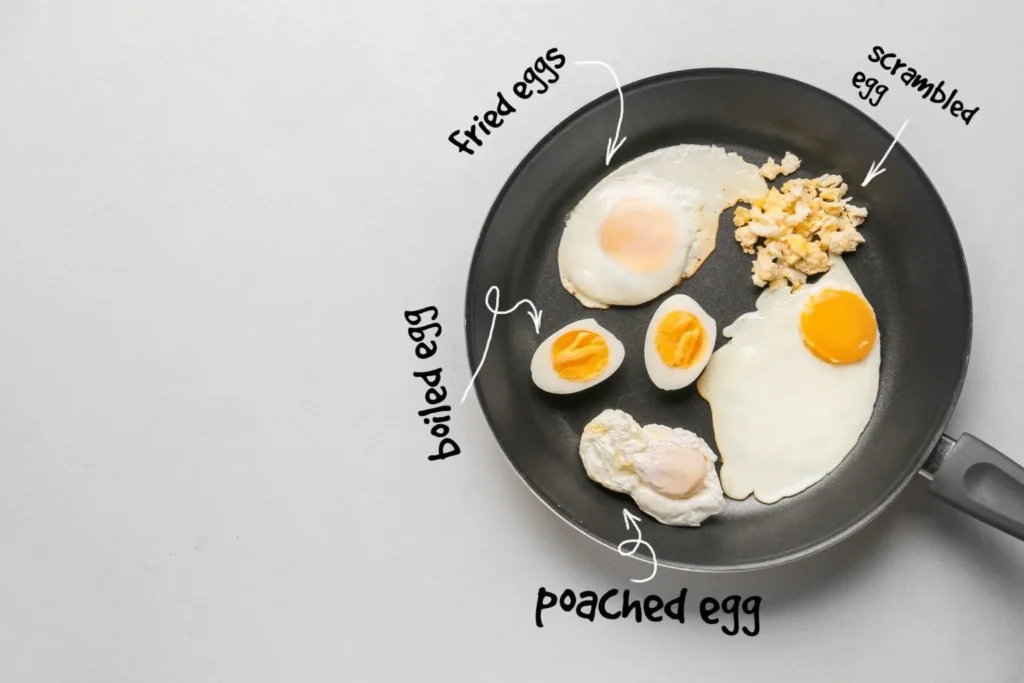
Eggs; from hard-boiled to poached, scrambled, and over-easy, things are looking sunny side up for eggs as research confirms this breakfast favorite isn’t as bad as the myths suggest. So, go ahead and get cracking.
Around the World, cardiovascular disease (CVD) is the leading cause of death, being responsible for nearly 18 million deaths annually. In Australia, one person will die from cardiovascular disease every 12 minutes, accounting for 1 in 4 deaths across the country. The CDC estimates that one person will die every 34 seconds from CVD in the U.S., reaching approximately 21 deaths over a 12-minute period. Despite their reputation, eggs may not have as much to do with this as previously thought.
Bad Reputation
Eggs have been getting a bad rap from decades of cholesterol-related blame. However, now they may be getting some vindication, as recent research published in The American Journal of Clinical Nutrition from the University of South Australia has revealed that despite their cholesterol content, eggs are not the villain they have been portrayed as, rather it is the saturated food they are most often pair with like bacon that are elevating harmful LDL levels.
This study, which is thought to be the World’s first, examining the independent effects of dietary cholesterol and saturated fat on LDL cholesterol levels, definitively showed that eating two eggs a day as part of a low saturated fat diet may even help to lower LDL cholesterol levels as well as lower the risk of heart disease, and challenges outdated guidelines while offering heart-healthy news for breakfast lovers around the globe.
“Eggs have long been unfairly cracked by outdated dietary advice,” says UniSA’s Professor Jon Buckley, who was the lead researcher of this study. “They’re unique – high in cholesterol, yes, but low in saturated fat. Yet it’s their cholesterol level that has often caused people to question their place in a healthy diet.”
“In this study, we separated the effects of cholesterol and saturated fat, finding that high dietary cholesterol from eggs, when eaten as part of a low saturated fat diet, does not raise bad cholesterol levels.”
“Instead, it was the saturated fat that was the real driver of cholesterol elevation. You could say we’ve delivered hard-boiled evidence in defense of the humble egg.” “So, when it comes to a cooked breakfast, it’s not the eggs you need to worry about – it’s the extra serve of bacon or the side of sausage that’s more likely to impact your heart health.”
Rethinking Eggs
Perhaps it is time to rethink eggs and their bad reputation.
Eggs are a nutritional powerhouse, offering a range of health benefits due to their rich content of vitamins, minerals, and protein. They are a good source of protein, essential for muscle health and satiety. Eggs also contain vital vitamins like A, D, E, B12, and folate, as well as minerals like selenium and choline, which contribute to various bodily functions. Furthermore, eggs can support eye health, potentially reduce the risk of heart disease, and even aid in weight management.
One large, hard-boiled egg contains: 78 calories, 6 grams of protein, 5 grams of fat, 8% of the daily recommended value for vitamin A, 6% of the DRV for folate, 14% of the DRV for vitamin B5, 23% of the DRV for vitamin B12, 20% of the DRV for vitamin B2, 7% of the DRV for phosphorus, and 28% of the DRV for selenium. Additionally, it contains fairly decent amounts of calcium, zinc, vitamin D, vitamin E, vitamin B6, omega-3 fatty acids, and other antioxidants.
Some of the Egg-cellent Benefits
- Rich in Protein: Eggs are a complete protein source, meaning they contain all nine essential amino acids necessary for building and repairing tissues, supporting muscle health, and promoting satiety.
- Nutrient Dense: Eggs are packed with vitamins and minerals, including vitamins A, D, E, B12, folate, selenium, and choline, which are important for various bodily functions like immune function, bone health, and brain health.
- Supports Eye Health: Eggs contain antioxidants like lutein and zeaxanthin, which are beneficial for eye health and may help prevent age-related macular degeneration and cataracts.
- May Improve Heart Health: Eggs can help increase HDL (“good”) cholesterol levels, which is associated with a reduced risk of heart disease. They also contain nutrients like betaine and choline that can further contribute to heart health.
- Aids in Weight Management: The protein and healthy fats in eggs can help increase satiety, leading to reduced calorie intake and potentially aiding in weight loss or maintenance.
- Improves Nutrient Intake: Eggs are an easily digestible source of high-quality protein and essential nutrients, making them a valuable addition to the diet, especially for older adults.
- Supports Healthy Skin, Hair, and Nails: B vitamins like biotin and riboflavin, along with other nutrients in eggs, contribute to healthy skin, hair, and nails.
- May Protect Against Infection: Egg protein has been linked to a reduced risk of infection.
- May Lower Blood Pressure: Some studies suggest that egg consumption may be associated with lower blood pressure.
- May Have Anti-Cancer Effects: Research indicates that egg protein may have potential anti-cancer properties.
Moderation
It is important to note that eating anything in excess, even if it is meant to be good for you, can have the opposite effect. Eggs are no exception to this rule, meaning that you should enjoy them in moderation. Those with high cholesterol levels may want to have a discussion with their physician before drastically increasing consumption of eggs.