Welcoming a newborn into your family is an exciting and precious milestone that comes with new responsibilities. One of the most important things is creating a home environment that supports your baby’s health and well-being.
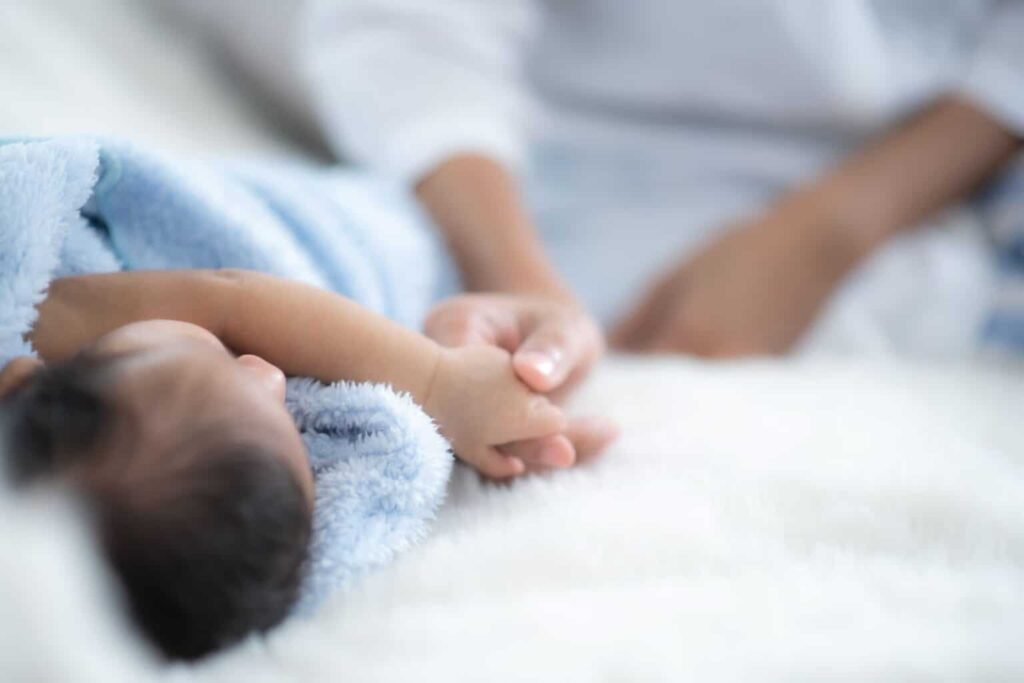
Older homes, while charming, may have features that pose challenges for newborns. Still, it’s possible to raise your little one in an aging property with the right steps. Below, you’ll find practical ways to create a healthier, safer home for your newborn.
Improve Air Quality for Easier Breathing
Air quality plays a vital role in a newborn’s health. Babies are sensitive to airborne pollutants like dust, mold, and pollen, which can aggravate their developing respiratory systems.
If you live in an older home, consider replacing carpets with hard flooring to reduce trapped allergens. Regularly clean HVAC filters and, if possible, invest in an air purifier designed to remove fine particles.
Also, open windows to encourage airflow on low-pollen days. These changes can help your baby breathe easier and sleep more soundly.
Regulate Temperature for Better Comfort
Newborns have difficulty regulating their body temperature, so maintaining a consistent indoor environment is essential. Drafty windows, common in older properties, can make temperature control a challenge. They don’t just make your home chilly, but they can also upset your baby’s fragile immune system and increase the risk of colds.
By repairing or replacing drafty windows, you can stabilize indoor temperatures and stop cold air from creeping into caregiving spaces like nurseries. Swapping out old windows in favor of newer energy-efficient alternatives keeps rooms warm in winter and cool in summer, creating a cozy space for your baby while reducing energy bills.
This draft blocking will reduce the accumulation of condensation that leads to mold. Installing new windows to create a healthier, safer home for your newborn contributes to a more stable indoor climate and fewer respiratory concerns for your newborn.
If replacing windows isn’t possible right away, use draft stoppers or weatherstripping as temporary solutions. Combining these upgrades with blackout curtains to block excess heat and light ensures your baby gets uninterrupted rest during the day and night.
Curate a Calm and Quiet Atmosphere
Newborns thrive in peaceful surroundings. Older homes with squeaky floors or thin walls may amplify noise, disrupting your baby’s sleep patterns. Installing insulation in walls and under floorboards is a simple but effective way to dampen sound.
Soft area rugs can absorb echoes while also cushioning play spaces as your child grows. Keep the nursery clutter-free to decrease visual overstimulation and choose calming paint colors like muted pastels. With these upgrades, your home becomes a sanctuary where your baby can relax and grow without unnecessary disruptions.
Invest in Non-Toxic Materials
Consider how much time your baby will spend exploring as they move from infancy to toddlerhood. This movement often means touching surfaces and putting their hands in their mouths. Avoid exposure to harmful chemicals by using non-toxic paints, stains, and cleaning products during home upgrades.
Replace old furniture and baby accessories made with formaldehyde-treated wood and go for modern alternatives certified as safe for children. A chemical-free environment helps protect your baby’s skin and developing immune system as they learn and grow.
A Safe Space for a Healthy Start
Preparing your home for a newborn goes beyond buying a crib and adorable onesies. When you address structural elements like drafty windows and air quality, you create a space where your baby can flourish. Whether tackling one upgrade at a time or transforming your entire home, your newborn will thank you in their own way with calm, peaceful moments and joyful smiles.