Virtual school students face unprecedented challenges when it comes to maintaining healthy sleep patterns. Without the natural structure of traditional classroom schedules, many families discover their children struggling with bedtime routines that directly impact academic performance.
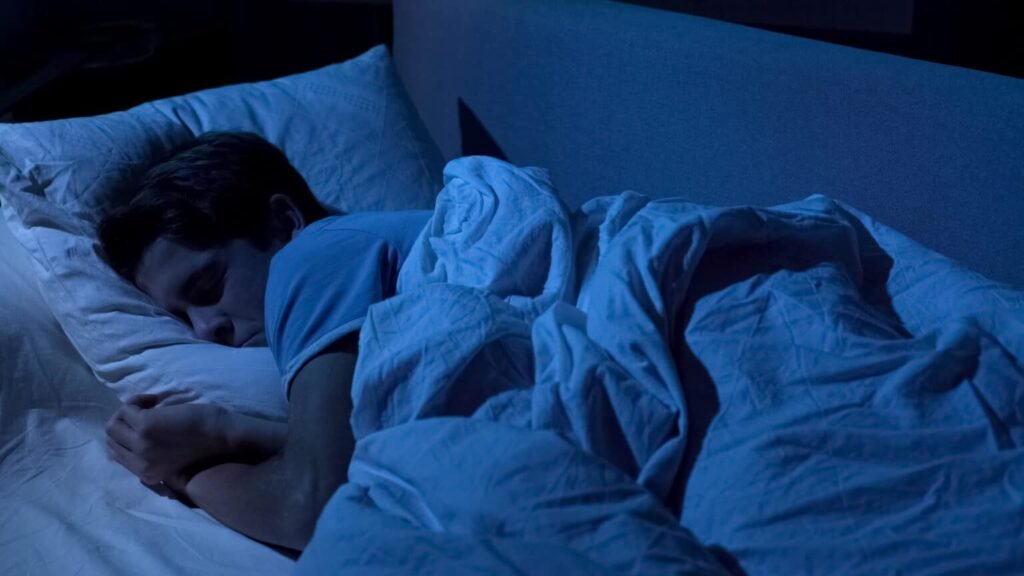
The flexibility that makes virtual learning appealing can quickly become a double-edged sword when sleep consistency for kids gets disrupted by screen time, irregular schedules, and blurred boundaries between home and school life.
The Importance of Consistent Sleep for Kids in Virtual Learning
Understanding the critical link between sleep and virtual learning success is just the beginning. Let’s dive into the fascinating science that explains exactly how remote education disrupts our children’s natural sleep patterns and why consistency becomes even more crucial in digital learning environments.
How Virtual School Disrupts Natural Sleep Patterns
Virtual learning fundamentally alters the biological cues that typically regulate sleep-wake cycles. Extended screen exposure throughout the day suppresses melatonin production, making it harder for children to fall asleep at appropriate times.
The absence of a traditional morning commute removes a key external pressure that once helped establish consistent wake-up times. Many families find their virtual learners gradually shifting toward later bedtimes and wake-up times, creating a drift that’s hard to reverse.
Neurological Impact of Consistent Sleep on Learning Capacity
Sleep plays a crucial role in memory consolidation, particularly important for virtual students who must process information through screens. During deep sleep phases, the brain transfers information from short-term to long-term memory, directly affecting how well children retain virtual lessons. Quality sleep programs can offer the academic support that matches what personalized approaches in K-12 tutoring provide, addressing the foundational wellness factors that impact educational outcomes.
Consistent sleep schedules help maintain optimal attention spans during virtual classroom sessions. Children with regular bedtimes show better focus during online lessons and demonstrate improved problem-solving abilities when facing technical challenges.
Virtual School Sleep Challenges: Beyond Traditional Classroom Issues
Now that we understand how virtual learning fundamentally alters sleep patterns and brain function, it’s time to examine the unique obstacles that remote students face, challenges that go far beyond what traditional classroom students experience.
Screen Time Overload and Blue Light Exposure
Virtual students often spend 6-8 hours daily on devices, creating unprecedented exposure to blue light that disrupts circadian rhythms. Unlike traditional students who might use computers for homework, virtual learners are immersed in screen-based learning all day long.
The timing of this exposure becomes particularly problematic when virtual classes extend into evening hours. Some virtual school sleep tips include using blue light filtering glasses during afternoon sessions and adjusting screen brightness throughout the day to minimize sleep disruption.
Blurred Boundaries Between Home and School Spaces
When bedrooms double as classrooms, children struggle to mentally separate learning time from rest time. This spatial confusion sends mixed signals to the brain about when it’s appropriate to be alert versus when to wind down.
Creating physical boundaries becomes essential for maintaining healthy sleep associations. Many families discover that designating specific learning zones helps preserve the bedroom as a sleep sanctuary.
Benefits of Sleep for Children in Virtual Learning Environments
While these virtual learning sleep challenges may seem overwhelming, the good news is that addressing them unlocks powerful benefits specifically tailored to digital education success. Here’s how proper sleep transforms virtual learning outcomes.
Enhanced Digital Learning Absorption
Students who maintain consistent sleep schedules demonstrate significantly better information processing during virtual lessons. Research indicates that students who more frequently went to bed later or varied the number of hours they slept earned an A in fewer classes by the end of the year.
Well-rested virtual students show improved ability to navigate online learning platforms, participate in video conferences, and complete digital assignments with greater accuracy. The benefits of sleep for children become particularly pronounced in virtual environments where self-direction is crucial.
Improved Virtual Classroom Participation
Adequate sleep directly correlates with increased engagement during online class sessions. Students with consistent bedtimes are more likely to participate actively in virtual discussions, ask questions, and maintain camera-on presence throughout lessons.
Energy levels remain stable throughout virtual school days when children follow regular sleep schedules, reducing the afternoon fatigue that often leads to poor online classroom behavior.
Building Healthy Sleep Habits for Students: A Virtual-School Specific Approach
With these compelling benefits in mind, the question becomes: how do we actually create sustainable sleep habits that work within the unique demands of virtual schooling? Let’s build a practical framework designed specifically for remote learners.
Creating a Virtual School Sleep Schedule Framework
Age-appropriate bedtimes become even more critical for virtual learners who lack external scheduling pressure. Elementary students (ages 5-10) need 9-11 hours of sleep, while teenagers require 8-10 hours, but virtual learning can easily disrupt these targets without careful planning.
Healthy sleep habits for students in virtual environments require consistent wake-up times that align with class schedules, even when morning commutes aren’t necessary. This consistency helps maintain the body’s internal clock despite the flexibility virtual learning offers.
Establishing Pre-Sleep Digital Detox Routines
Virtual students need specific strategies to disconnect from screens before bedtime. Implementing a “devices off” policy 1-2 hours before sleep helps reset melatonin production disrupted by day-long screen exposure.
Alternative evening activities become essential replacements for screen time. Reading physical books, gentle stretching, or family conversations help signal to the brain that it’s time to wind down from the virtual learning day.
The Importance of Sleep Routine: Virtual School Edition
Traditional routines form the backbone of good sleep habits, but today’s virtual learners can benefit from cutting-edge tools and creative approaches that weren’t available to previous generations. Here’s how to make sleep routines work around the clock.
Morning Routine Adaptations for Remote Learning
Without the rush of getting ready for traditional school, virtual learners can gradually slip into lazy morning habits that affect evening sleep quality. Creating structure through morning exercises, healthy breakfast routines, and designated “getting ready” time helps maintain natural energy cycles.
The importance of sleep routine extends beyond just bedtime; morning consistency reinforces evening sleep patterns and helps virtual students maintain the alertness needed for online learning.
Evening Wind-Down Strategies Post-Virtual School
Virtual students often struggle to decompress after screen-heavy school days. Physical activities like playing, outdoor walks or indoor stretching help release tension accumulated from prolonged sitting and screen focus.
Family dinner timing plays a crucial role in virtual learners’ sleep preparation. Eating at consistent times helps regulate the body’s internal clock, making it easier to fall asleep at appropriate times.
Final Thoughts on Virtual School Sleep Success
Sleep consistency for kids attending virtual school requires intentional effort from families to create a structure that traditional classrooms once provided automatically. The science clearly shows that regular sleep schedules directly impact academic performance, behavior, and overall well-being in digital learning environments.
By implementing virtual school sleep tips like establishing device-free bedtime routines, creating separate learning and sleeping spaces, and maintaining consistent wake-up times, families can transform their virtual learning experience. The investment in proper sleep habits pays dividends through improved focus, better grades, and happier, healthier children who thrive in online educational settings.
Practical Questions About Virtual School Sleep Management
Q. How many hours of sleep do virtual school students actually need compared to traditional students?
Virtual students need the same amount of sleep as traditional students, but consistency becomes more challenging without an external structure requiring greater parental involvement in maintaining schedules.
Q. Can blue light glasses really help virtual school students sleep better at night?
Blue light glasses can reduce eye strain during daytime learning, but they’re not a complete solution since virtual students need comprehensive digital detox routines before bedtime.
Q. Should virtual school students take naps during their flexible daytime schedules?
Short 20-minute power naps can help, but longer daytime sleep interferes with nighttime rest, making consistent evening bedtimes even more difficult for virtual learners.