
Spring brings fresh seasonal produce packed with vitamins, antioxidants and fiber. These 9 spring foods support digestion, boost energy and help your body transition after winter. Adding them to meals is an easy way to build healthier eating habits.
After long cold winter months, spring is the ideal time to refresh your diet. Seasonal fruits and vegetables harvested in spring are naturally high in nutrients. They help support digestion, reduce inflammation and replenish vitamins your body may lack during winter. Below are 9 excellent spring foods and their key wellness benefits.
1. Spinach
Spinach is rich in iron, vitamin K, vitamin C and folate. It supports healthy blood cell formation and bone health. The antioxidants in spinach help fight oxidative stress. You can toss fresh spinach into salads, add it to smoothies or lightly sauté it as a side dish.
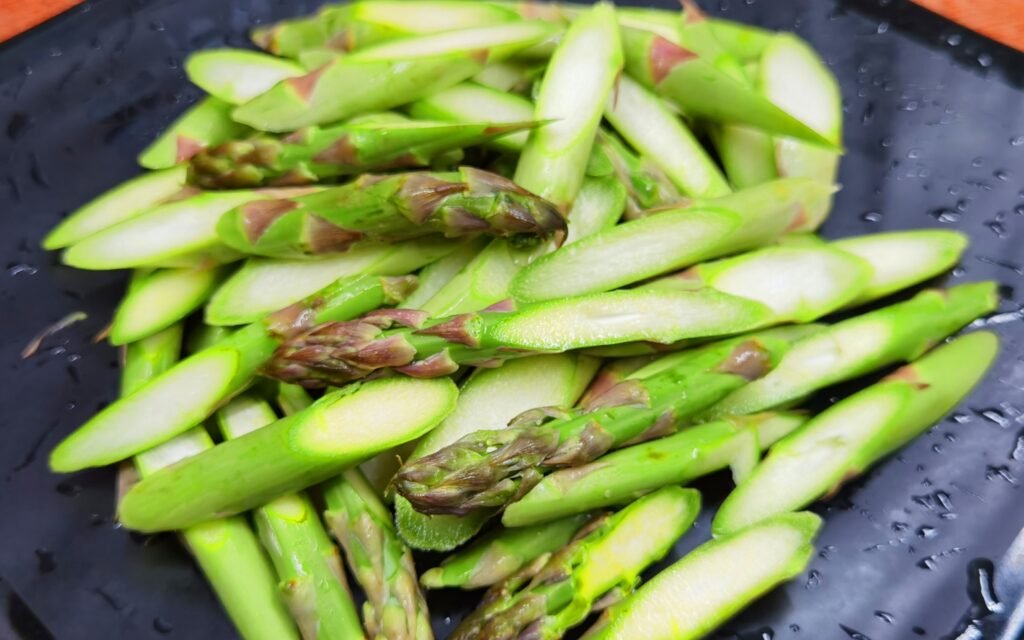
2. Asparagus
Asparagus is low in calories and high in fiber, folate and antioxidants. It acts as a natural diuretic, supporting healthy fluid balance in the body. Fiber from asparagus promotes regular gut movement. Roast or steam asparagus for a simple spring side.
3. Strawberries
Sweet, juicy strawberries are loaded with vitamin C and anthocyanins. Vitamin C supports immune function and collagen production for skin health. Anthocyanins help reduce inflammation. Eat fresh strawberries plain, or top oatmeal and yogurt with sliced berries.
4. Peas
Fresh green peas contain plant protein, fiber and vitamin A. Fiber supports gut health and helps maintain steady blood sugar levels. Their mild flavor works great in soups, rice bowls and salads.
5. Radishes
Radishes are crisp and low-calorie, packed with vitamin C. They may support healthy digestion. Their peppery taste adds crunch to salads. Eat thinly sliced raw radishes or lightly roast them.
6. Rhubarb
Rhubarb is high in fiber and vitamin K. Note that only the stalks are edible; rhubarb leaves are toxic. It pairs well with strawberries in baked desserts. People with kidney conditions should talk to a doctor before eating rhubarb regularly.
7. Arugula
Arugula is a leafy green with a peppery flavor. It has vitamin K, vitamin C and nitrates which support cardiovascular wellness. Use arugula as salad base or garnish sandwiches.
8. Cherries
Fresh spring cherries contain anti-inflammatory compounds and melatonin. Melatonin helps support healthy sleep cycles. Choose fresh cherries instead of sweetened cherry products to avoid excess sugar.
9. Spring Onions (Scallions)
Scallions provide vitamin K and antioxidants. They add flavor to dishes without extra calories. They may help reduce mild inflammation. Chop fresh scallions to season eggs, soups and stir-fries.
Simple Tips for Eating Seasonally in Spring
- Choose fresh, locally grown produce when possible to retain maximum nutrients.
- Wash all fruits and vegetables thoroughly before eating.
- Mix different spring foods to get a wider range of vitamins and minerals.
- Keep meals balanced; seasonal vegetables are a complement to a complete diet, not a replacement.
Frequently Asked Questions
Are spring foods a natural detox for the body?
Your liver and kidneys already handle detoxification. These spring foods support overall health, but they do not “flush out toxins” on their own. A balanced diet and adequate water intake are most important.
Can I eat these spring foods if I have food allergies?
Always watch for allergic reactions. If you have known allergies to berries or greens, avoid those foods and consult your doctor.
Conclusion
Spring seasonal foods are delicious and nutrient-rich. Spinach, asparagus, strawberries and the other foods on this list are easy to incorporate into daily meals. Enjoying a variety of fresh spring produce is a simple, tasty way to support your long-term health.