
Children are more likely to catch colds and respiratory infections in winter due to dry air, poor indoor ventilation and active viruses. Parents can lower infection risk by improving hand hygiene, increasing indoor airflow, maintaining balanced nutrition, enough sleep and regular mild exercise.
Winter is the peak season for respiratory infections in children. Low temperatures, dry indoor air, limited ventilation and widespread viruses all contribute to higher infection rates. A child’s immune system is still developing, which makes them more vulnerable to germs.
When the weather turns cold, families tend to stay indoors for longer periods. Close contact inside homes, daycare and schools makes it easier for viruses to spread from person to person. Cold dry air also dries out the nasal lining, weakening the nose’s first line of immune defense. The immune response may also become less robust under cold conditions, leaving children more susceptible to viral attacks.
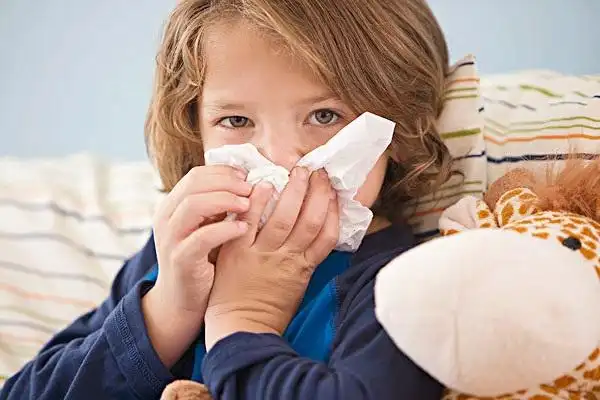
The good news is parents can take practical daily steps to reduce the chance of infection.
Simple Daily Prevention Strategies
Practice Proper Hand Hygiene
Handwashing remains one of the most effective ways to stop virus transmission. Teach children to wash hands with soap and clean running water for at least 20 seconds. Key times to wash hands:
- After playing outdoors
- After coughing or sneezing
- Before eating
- After touching public surfaces
If soap and water are unavailable, alcohol-based hand sanitizer can be used as an alternative.
Improve Indoor Ventilation
Closed rooms trap viruses and raise infection risk. Open windows regularly to bring fresh indoor air. Even short, frequent ventilation sessions help reduce viral load in enclosed spaces. Use a humidifier if indoor air is extremely dry; keep humidity between 30%–50% to protect nasal mucous membranes.
Build Strong Immunity Through Healthy Lifestyle
A well-rounded daily routine supports kids’ immune function:
- Balanced diet: Include fruits, vegetables, whole grains and high-quality protein. Limit sugary snacks and drinks.
- Sufficient sleep: Stick to consistent bedtimes. Sleep helps immune cell repair and regeneration.
- Moderate physical activity: Encourage outdoor play on mild winter days. Regular movement supports immune health.
Reduce Virus Exposure
Keep children away from people who show cold or flu symptoms. Encourage kids to cover coughs and sneezes with elbows or tissues, not bare hands. Disinfect frequently touched household surfaces like doorknobs, tabletops and toy surfaces regularly.
When to See a Pediatrician
Watch for warning signs and contact your doctor promptly if your child has:
- Persistent high fever
- Difficult or fast breathing
- Refusal to eat or drink, obvious dehydration
- Lethargy or unusual irritability
Frequently Asked Questions
Does cold weather directly cause colds?
Cold weather itself does not cause colds. Colds are caused by viruses. Cold dry air weakens the respiratory barrier and people gather indoors more often, which speeds up virus spread.
Can vitamins fully prevent winter colds?
Nutritional supplements cannot completely prevent viral infections. A balanced diet is the preferred way to get nutrients. Speak to your pediatrician before giving your child any supplements.
Conclusion
Winter respiratory infections are common in young children. Focusing on simple daily habits — handwashing, indoor ventilation, healthy sleep and nutrition — offers reliable protection. These evidence-based steps help reduce virus exposure and support your child’s immune system.
If you have concerns about your child’s health, always seek advice from a qualified pediatric provider.